

Turn your week into a clear plan for AI
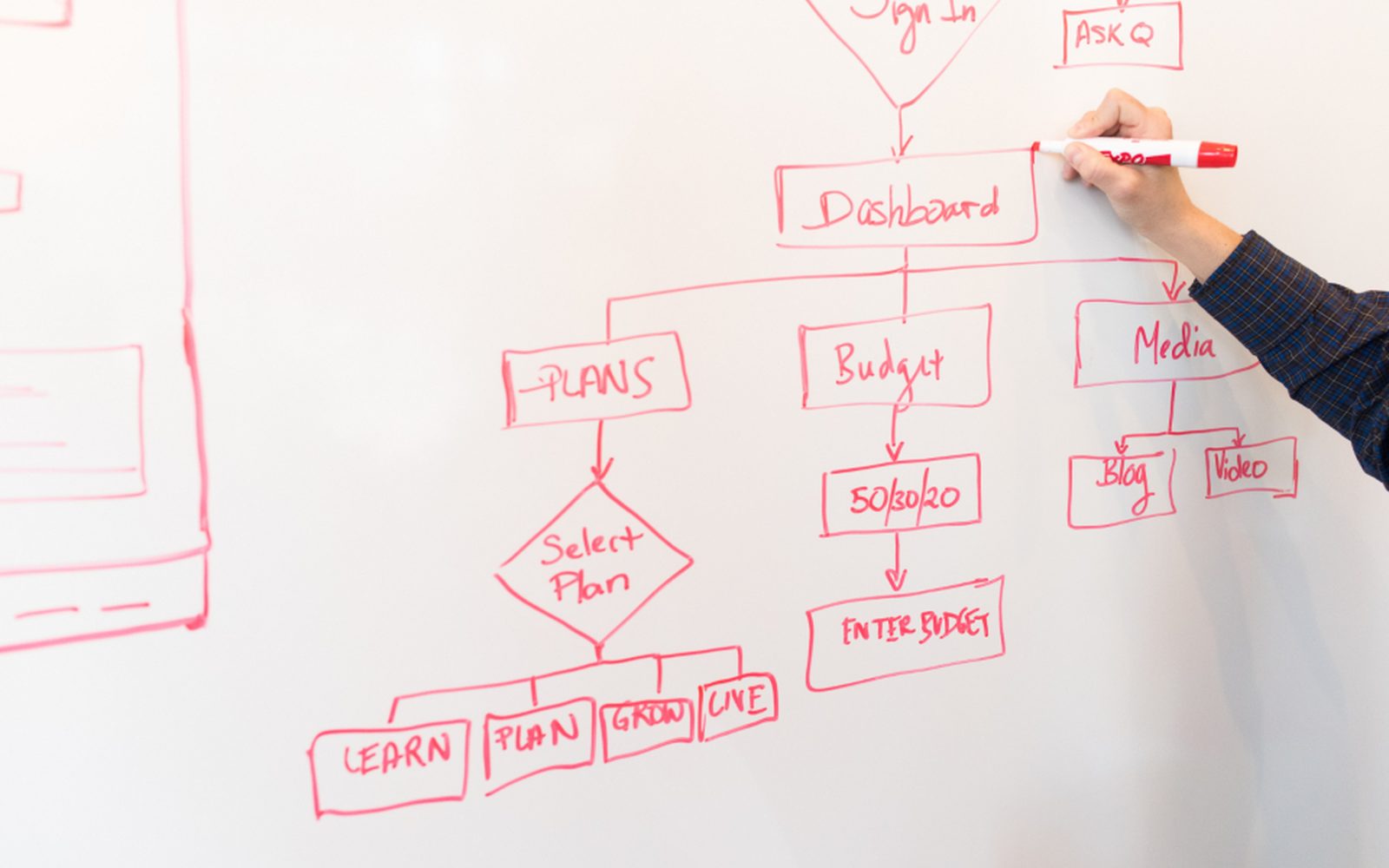
Before AI can help with a job, someone has to know how that job really works. Mapping how you work (the industry calls it process mapping) means writing down the steps, the tools, the decisions, and the odd cases that keep your business running. In a small team, most of that lives in one person's head, often yours. We follow real jobs through your week, write them down plainly, and find the steps AI or a simple rule can take off you. Most of our work starts here, because it points the AI at the right job first.
Get your AI Starter Plan
Write down how work really gets done
Most small businesses run on habits that grew with the team. A spreadsheet fills a gap, a text message becomes an approval, and one person knows what to do when the usual steps don’t work. That keeps things moving, but it’s hard to hand over, and it’s hard to point AI at.
We help you turn that know-how into a plain map. We talk to whoever does the job each day, often you, and follow a few real examples through your week. The map shows how the work really happens, including the steps nobody ever wrote down.
What a useful map shows
A useful map lets someone outside your team follow the job. It names what starts the job, what done looks like, and every step in between.
For each step, we write down who does it, which tool they use, and what they need to know. We also write down the rules, the hand-offs, and the odd cases. A solo property manager we work with gets tenant repair requests by text, by email, and through the rental portal. The map showed three ways in, one person sorting them all, and one rule that matters most, which is that an urgent job always gets a phone call.
How mapping gets you ready for AI
AI needs a clear job and enough information to do it well. The map tells us what the AI helper (the industry calls it an agent) can read, what it should produce, and which cases it must hand to a person.
We check each step for how often it repeats, whether the information is there, and what happens if it goes wrong. Moving the same detail from one app to another suits a simple rule. Reading a messy enquiry and drafting a reply suits an AI helper, with a person checking the draft.
Mapping also shows what needs fixing first. At Saltbush Studio, a six-person design agency in Fremantle, we first fed the team’s Slack chat in alongside the project board. It picked up jokes and half-made decisions and put them in client drafts. So Slack came out, and the project board became the only source.
How we work with you
We agree which job to map, and what you want back from it. Then we walk through recent examples with the person who does the work, using any notes, templates, or spreadsheets you already have. We write up the map and check it with you to catch the steps and odd cases we missed.
Once the job is clear, we mark the steps that repeat, wait, or get redone, and agree with you which one to hand over first.
A map you keep using
The map becomes a handy reference for training someone new, covering a holiday, or changing how a job runs. It’s written in plain words, so anyone in the team can read it and keep it up to date when the job changes.
It’s also how we test an AI helper before you rely on it. If the AI helper handles every case on the map, including the odd ones, it’s ready.
Start with one job
Begin with the job that’s slow, repeats, or depends on one person, like quotes, enquiries, supplier invoices, or the weekly roster. Mapping that one job shows you what it takes and where to go next. From there, automating repeat work takes the copy and paste steps off you, and AI helpers take on the drafting.
Mapping by industry
The jobs worth mapping first differ by business. See common starting points in real estate, hospitality and events, marketing and creative agencies, and not-for-profits.
Turn your week into a clear plan for AI
How a job really runs
How it starts, the steps it follows, and what done looks like, including the workarounds you'd never think to write down.
Who does what
Who handles each step, who makes the call, and where the job waits on one person, often the owner.
Tools and information
The apps, inboxes, spreadsheets, and notes each step uses, and where the same detail gets typed in twice.
Rules and odd cases
The rules you follow without thinking, and the cases that always need a person, like a complaint, an urgent repair, or a health question.
Where the time goes
The steps that repeat, the ones that wait, and the ones that get redone, so you know what to fix first.
What AI can take
Each step checked for how often it repeats, whether the information is there, and how easy a mistake is to catch, ranked into a short list.
Jobs we mapped first

Friday client updates at Saltbush Studio

Repair requests for a solo property manager

Catering orders at a six-person cafe
Small teams we work with

How a solo business coach gathers enquiries from three places into one list each morning

How a five-person online homewares store stopped typing 60 supplier invoices a month into Xero

How a three-person online skincare store clears its order emails in about 20 minutes a morning
Common questions
What does mapping how you work mean?
Why map a job before using AI?
Nothing in my business is written down. Is that a problem?
How long does it take?
What do I get at the end?
Is mapping included in the packages?
Start with the job you know needs attention
Tell the AI about your business, your goals, and where your week goes. Your plan will name the job worth mapping first.
Get your AI Starter Plan